
 Email:
 Phone:



Cohabitation Disputes (Religious Marriages / Nikkah)
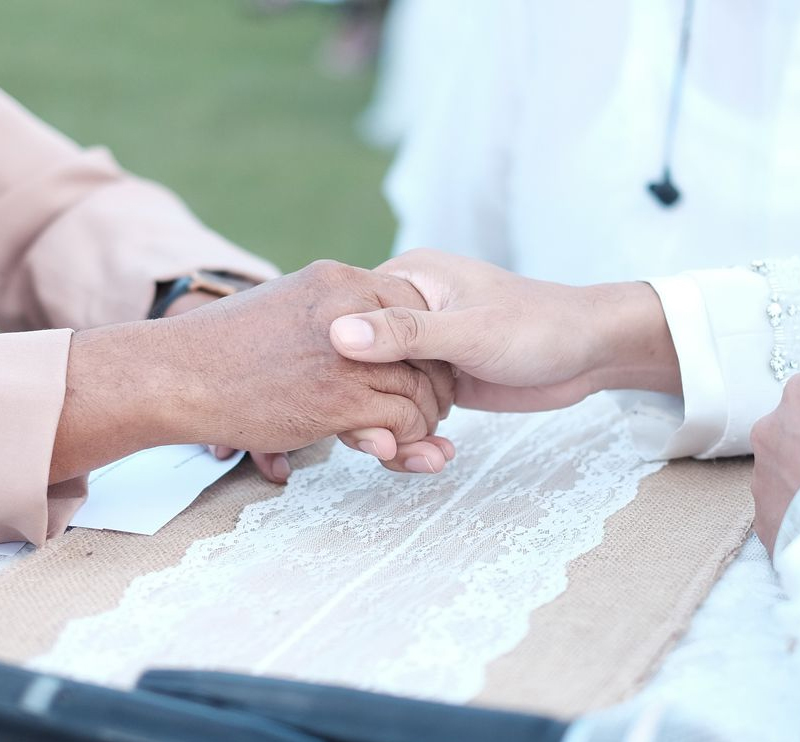
At The Divorce Lawyers, we recognise that not all relationships are formalised through civil marriage. Many couples choose to live together without legally marrying, or may have undergone a religious marriage ceremony, such as a Nikkah, which is not automatically recognised under English law.
When these relationships break down, disputes concerning property, finances, and children can arise — and many are surprised to learn that the same legal rights as married couples do not apply. Our solicitors provide specialist advice and representation in cohabitation disputes and religious-only marriages, ensuring your interests are properly protected.
Understanding Your Legal Position
Under the current law in England and Wales, cohabiting couples do not have automatic rights to financial support, property ownership, or pension sharing — regardless of the length of the relationship or whether children are involved.
Similarly, a religious marriage (such as a Nikkah) performed in the UK without a civil ceremony is not legally valid unless registered in accordance with the Marriage Act 1949. This means that, upon separation, you may not be entitled to the same legal remedies available to married couples.
However, this does not mean you are without protection. There are legal remedies available through property law, trust law, and child law, depending on the circumstances.
Common Issues We Advise On
Our solicitors have extensive experience in advising clients on matters including:
- Property ownership disputes, including claims under the Trusts of Land and Appointment of Trustees Act 1996 (TOLATA)
- Financial contributions made during the relationship and recovery of funds
- Disputes following religious-only marriages (Nikkah, Hindu, Sikh or other)
- Children-related matters, including parental responsibility and child arrangements
- Occupation and exclusion from the family home
- Emergency injunctions, where necessary to protect assets or personal safety
Each case is approached with discretion, sensitivity, and a practical focus on achieving the best possible outcome.

Religious Marriages (Nikkah and Similar Ceremonies)
We understand the cultural and personal significance of religious ceremonies. However, unless a Nikkah or similar religious ceremony is also registered civilly, it is not legally binding as a marriage in England and Wales.
Our solicitors frequently advise clients in this position on:
- The legal status of their relationship
- Options to formalise their marriage through civil registration
- Financial and property rights following separation
- Children-related arrangements under the Children Act 1989
- Negotiated settlements outside of court
Our goal is to help you resolve matters respectfully while ensuring your legal rights and financial interests are protected.
How The Divorce Lawyers Can Help
Our team brings clarity and reassurance in these complex and often misunderstood cases. We:
- Provide clear advice on your rights and legal remedies
- Represent you in TOLATA and Schedule 1 Children Act claims where appropriate
- Support you through negotiations, mediation, or court proceedings
- Handle your case with utmost confidentiality and cultural sensitivity
- Offer pragmatic solutions tailored to your situation
Whether you are facing a separation after a long-term cohabitation or a breakdown of a religious-only marriage, we are here to protect your position and guide you towards a fair resolution.
Why Clients Choose The Divorce Lawyers
- Deep understanding of both civil and religious family law issues
- Proven experience with Nikkah and cohabitation-related disputes
- Practical, outcome-driven advice
- Transparent fees and strategic guidance throughout
- Culturally sensitive and respectful approach
Next Steps
If you are in a cohabiting relationship or religious-only marriage and wish to understand your legal rights or protect your financial position, contact The Divorce Lawyers today. We will provide clear, confidential advice and guide you through your available options.

Frequently Asked Questions
We understand that going through a divorce can be overwhelming and filled with uncertainty. To help ease your concerns, we've answered some of the most common questions our clients ask. If you have a specific query, feel free to reach out to our team for personalized advice.
How long does the divorce process take in the UK?
On average, an uncontested divorce in the UK takes between 4 to 6 months. However, the timeline may vary depending on court processing times and how quickly both parties respond to necessary documents.
Do I need to go to court for a divorce?
In most uncontested cases, attending court is not required. The divorce process can be handled entirely on paper unless there are disputes over finances or children, in which case a court appearance may be necessary.
How is child custody decided?
Child custody decisions are made with the child’s best interests as the priority. Courts consider factors like the child’s needs, each parent’s ability to provide care, and existing relationships before issuing custody or contact orders.
How are assets divided during a divorce?
Assets are typically divided based on fairness, not equality. The court considers factors such as income, property, financial needs, and contributions made by each party when determining a financial settlement.